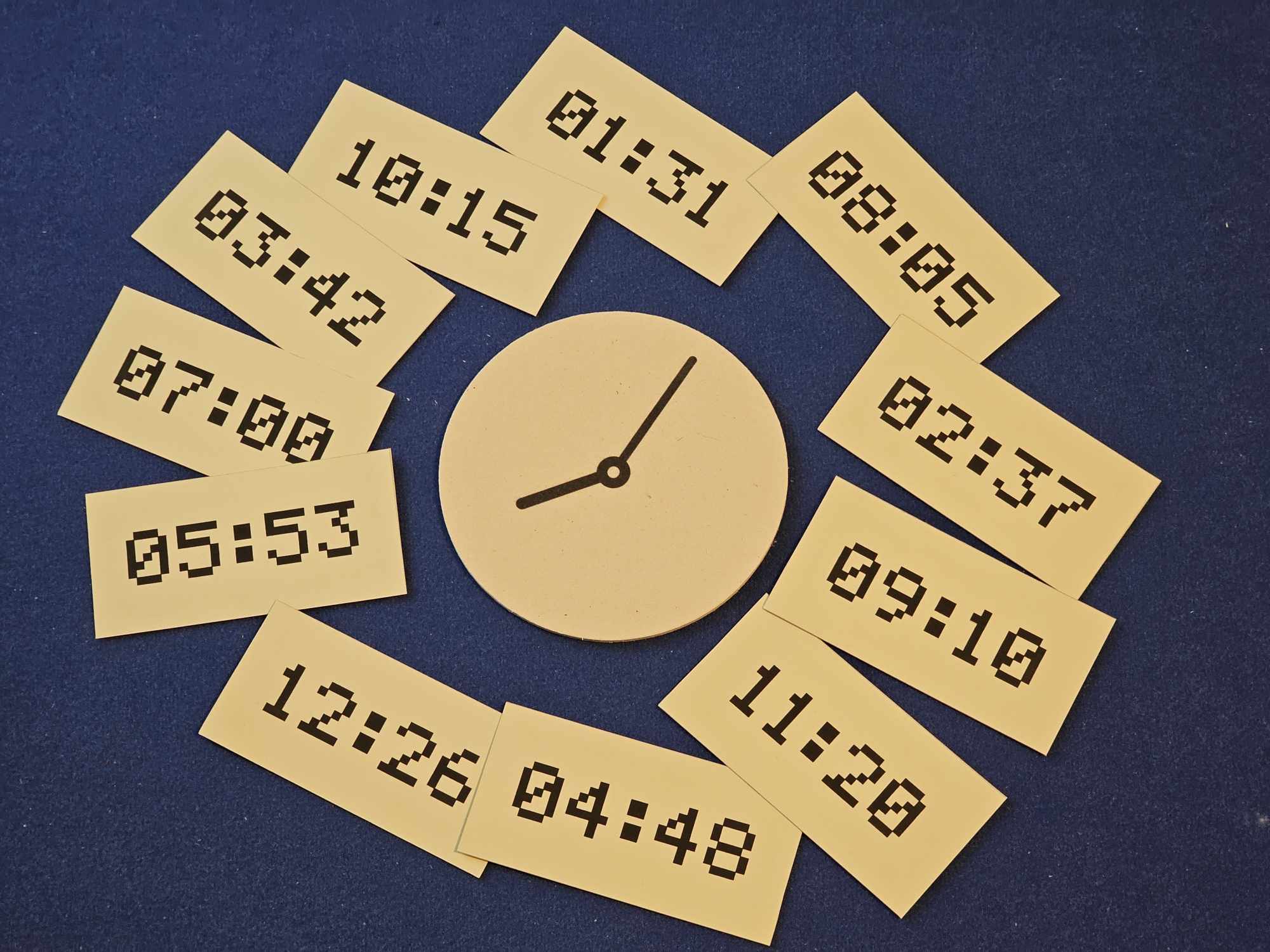
TimeOut (clock prediction)
The idea of this mental trick (clock prediction effect) came to me in 2015, and I performed it in some Hungarian magic clubs at that time. I've been planning to release it ever since.
You will find the time cards and the clock face in the
PDF download - click here
The effect
The spectator can freely pick one of
many different times written on cards, and their selection will
match my prediction, which is an image of a clock (showing hour and minute hands only).
Basic method
The basic idea is that the prediction image of the clock only shows the hour and minute hands, and
can be rotated different ways, resulting in different times of the day. There are exactly
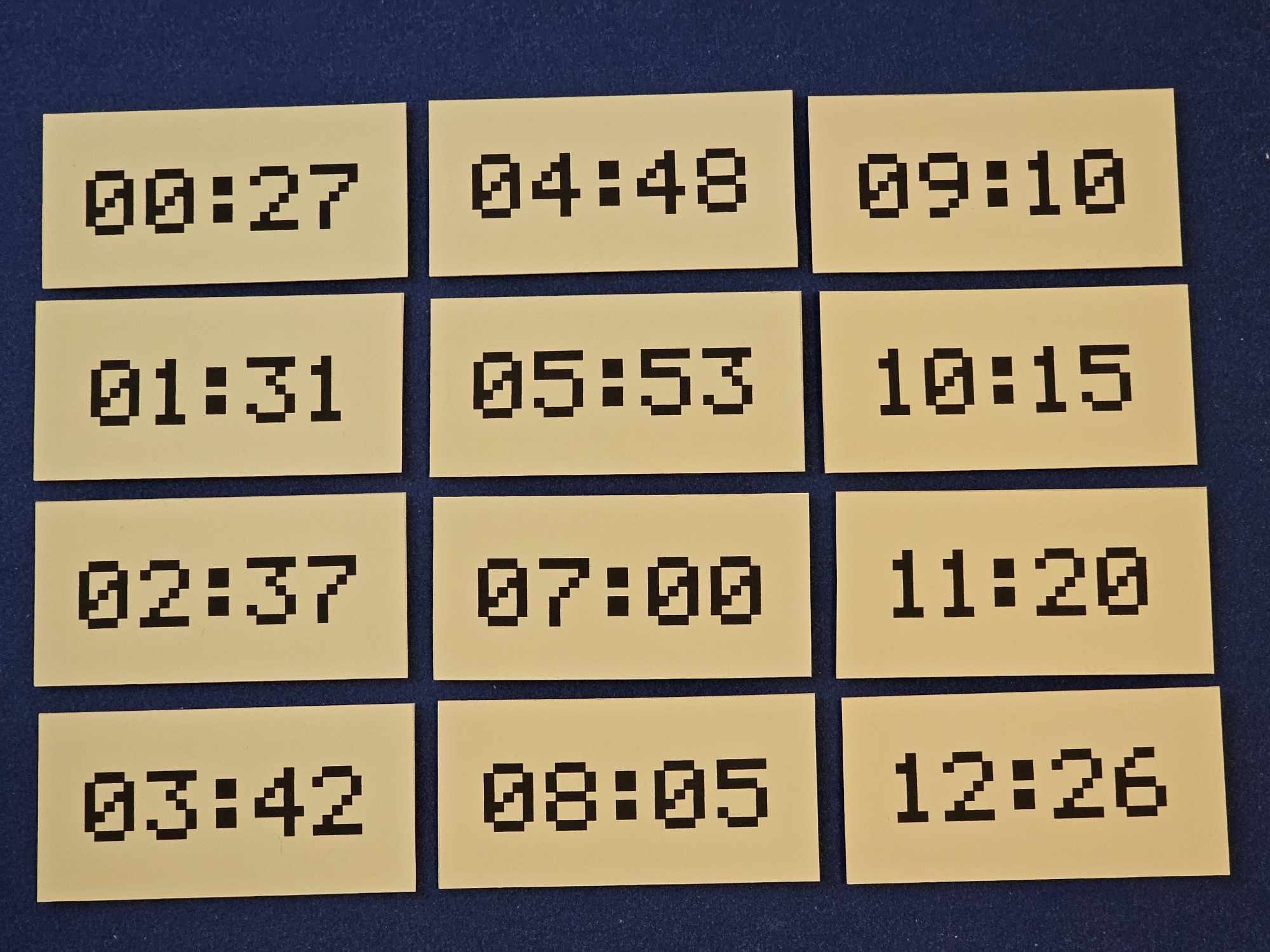
11 different positions, where the hour is different every time. The basic prediction times are the following:
01:31
02:37
03:42
04:48
05:53
07:00
08:05
09:10
10:15
11:20
12:26
The
cards showing the above times and also the
clock face are included as a
PDF download - click here
Depending on which time the spectator selects, you will
grab the prediction at different points around the round edge. If you know which way the minute hand is facing, you can easily pick up the face down prediction at the right position, and show the drawing of the clock to the audience.
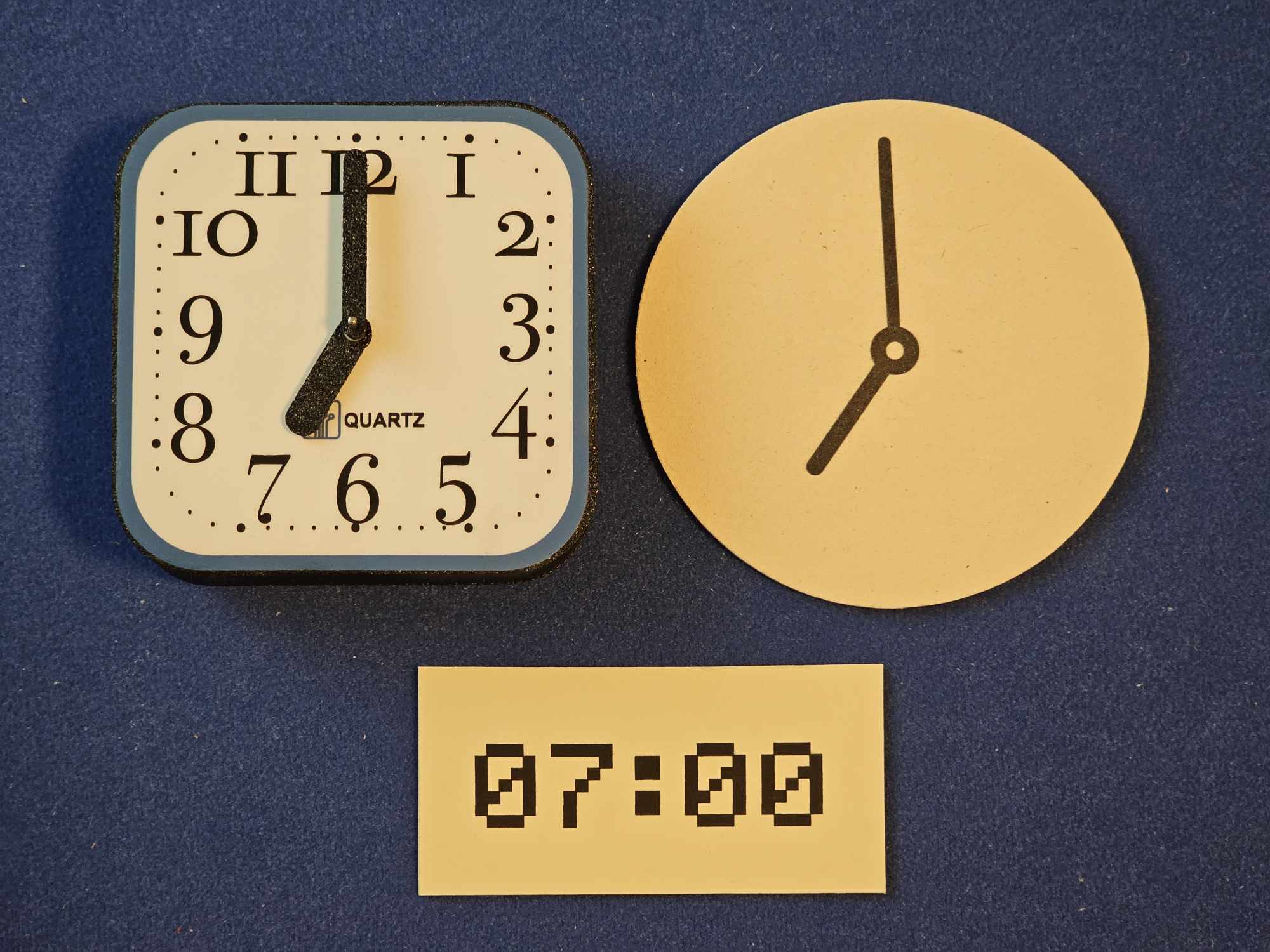
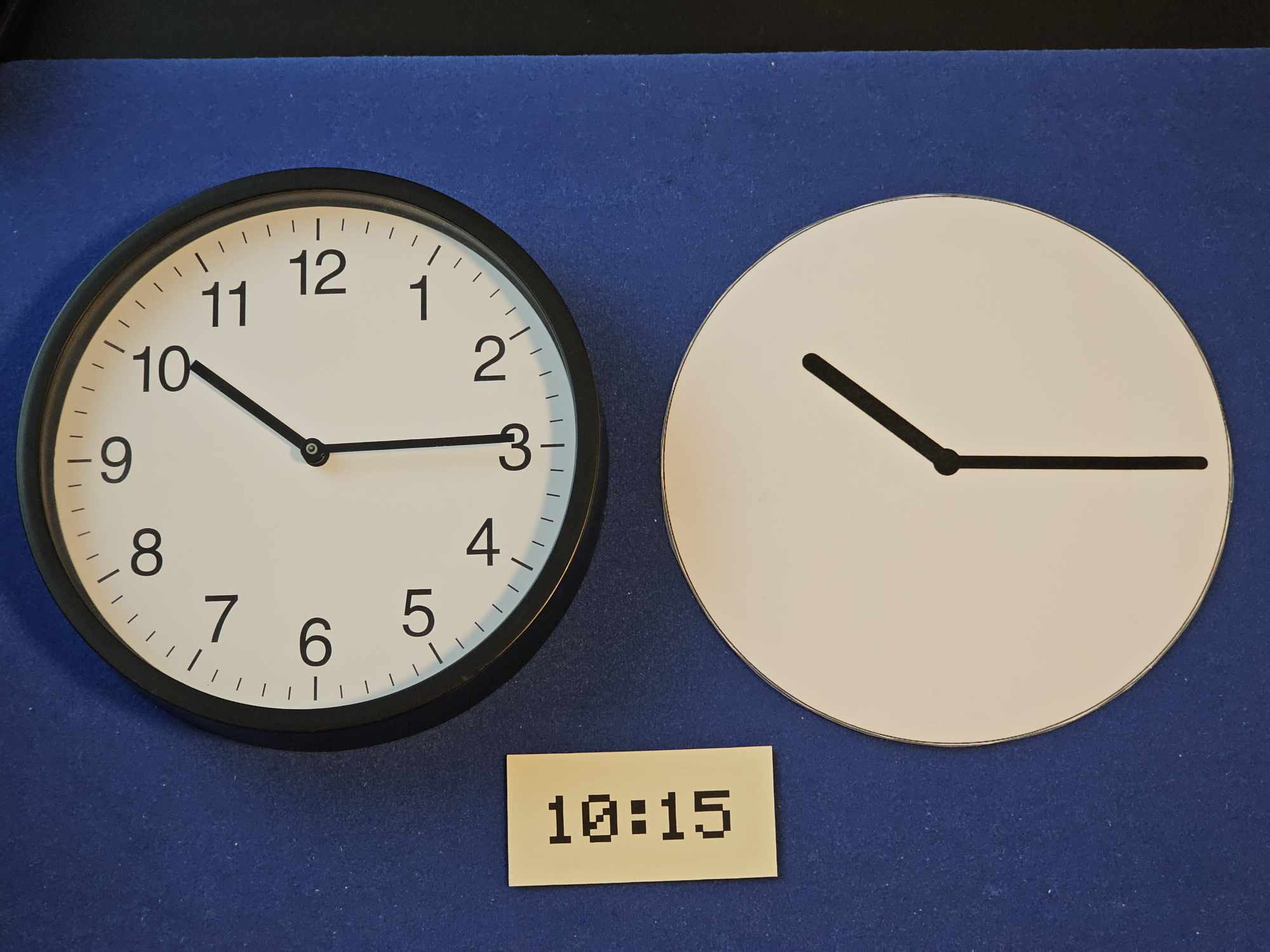
Here is my tip: the spectator should pick a time card from a stack (so you will know which time they picked). Then you hand them a real wall clock (or alarm clock), and ask them to set the time they selected. When they are ready, you stand next to them. They hold the real clock facing them, and you hold the prediction facing you. Then at the count of 3 you both turn over your clocks, and they will match. This is a
nice visual reveal, where the audience can see that the hands of the clocks are in the same position.
Using +11 extra times
If you perform in a country where they also use the
24 hour format, then you can make a extra set of 11 cards, converting the 11 original times like this: add
+12 to the hour, and change the
minute by +/-1. So you will end up with these extra times, that all look different from the original set of 11 times:
13:32
14:38
15:43
16:49
17:54
18:59
20:04
21:11
22:16
23:21
00:27
(The extra time 00:27 is also included in the
PDF download)
Using indifferent times
To further disguise the method, you can also
use indifferent times, and make a stack of time cards where
every second card is a MARKED force card. This way you can end up with a stack of 22 or even 44 cards!!! You can show the spectator that all the times are different, and ask them to cut the stack. Then you can quickly decide (reading the markings) if their card will be
the bottom or the top one (where they cut the cards).
An example of such a stack:
01:31 - force time
07:12
02:37 - force time
09:48
03:42 - force time
02:04
04:48 - force time
10:38
05:53 - force time
01:03
07:00 - force time
11:53
08:05 - force time
03:20
09:10 - force time
06:29
10:15 - force time
05:09
11:20 - force time
04:19
12:26 - force time
08:41